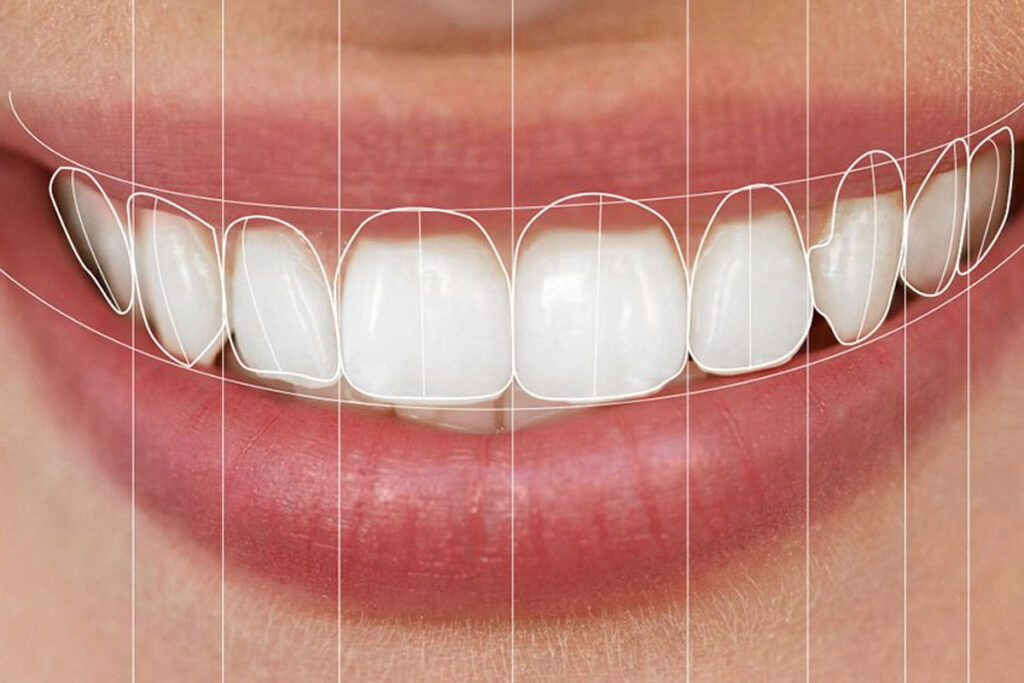
Digital Smile Design is an advanced technology that allows dentists to plan and design your smile digitally before starting the treatment. Using high-quality images, videos, and specialized software, your facial features and dental structure are carefully analyzed to create a personalized smile design. This approach ensures that the final results are both functional and aesthetically pleasing. Patients can also preview their expected results, which builds confidence and clarity before treatment begins. It improves communication between the dentist and patient, ensuring expectations are aligned. Overall, DSD provides a precise, predictable, and customized smile transformation experience.
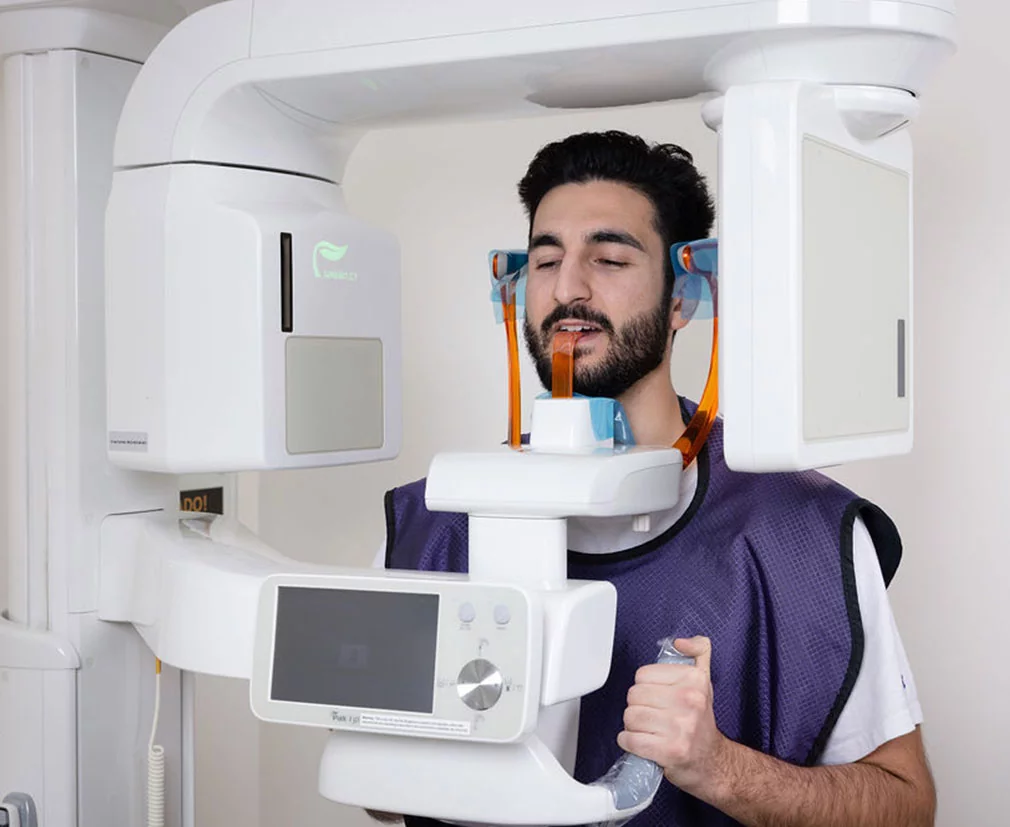
3D CBCT (Cone Beam Computed Tomography) imaging provides highly detailed three-dimensional views of teeth, jawbone, and surrounding structures. Unlike traditional X-rays, it offers accurate depth and spatial information, which is essential for complex dental procedures. This technology helps dentists diagnose problems more precisely and plan treatments such as dental implants, root canals, and oral surgeries with greater accuracy. It also reduces the risk of complications by identifying nerves and bone density clearly. The scan is quick, safe, and non-invasive, ensuring patient comfort. Overall, CBCT enhances both safety and success rates of dental treatments.
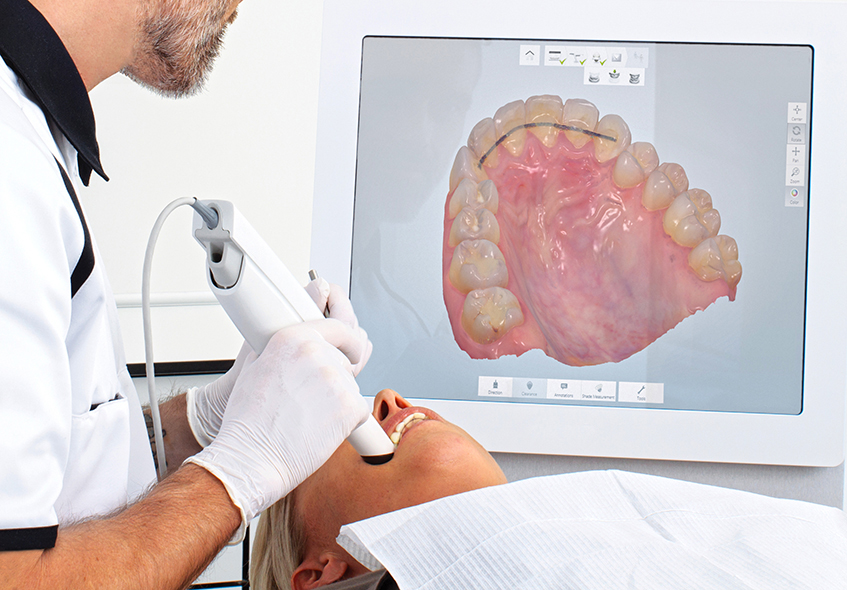
An intraoral scanner is a modern device used to capture precise digital impressions of your teeth and gums. It eliminates the need for traditional, uncomfortable impression materials, making the process faster and more comfortable for patients. The scanner creates a highly accurate 3D model, which helps in designing crowns, bridges, aligners, and other restorations with perfect fit. It also improves communication between the dental clinic and the lab by providing instant digital data. Patients can even see their dental structure on-screen in real-time. This technology ensures better accuracy, efficiency, and overall patient experience.
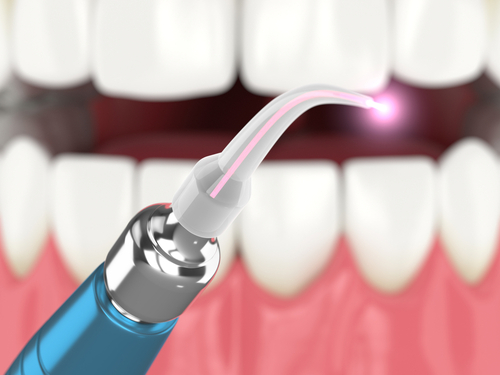
Laser dentistry uses advanced laser technology to perform various dental procedures with minimal discomfort. It is commonly used for gum treatments, cavity removal, teeth whitening, and soft tissue procedures. The precision of lasers reduces damage to surrounding tissues, resulting in less pain, minimal bleeding, and faster healing. In many cases, it eliminates the need for stitches or anesthesia. Patients experience a more comfortable and stress-free treatment compared to traditional methods. It also lowers the risk of infection due to its sterilizing effect. Overall, laser dentistry makes dental care quicker, safer, and more efficient.
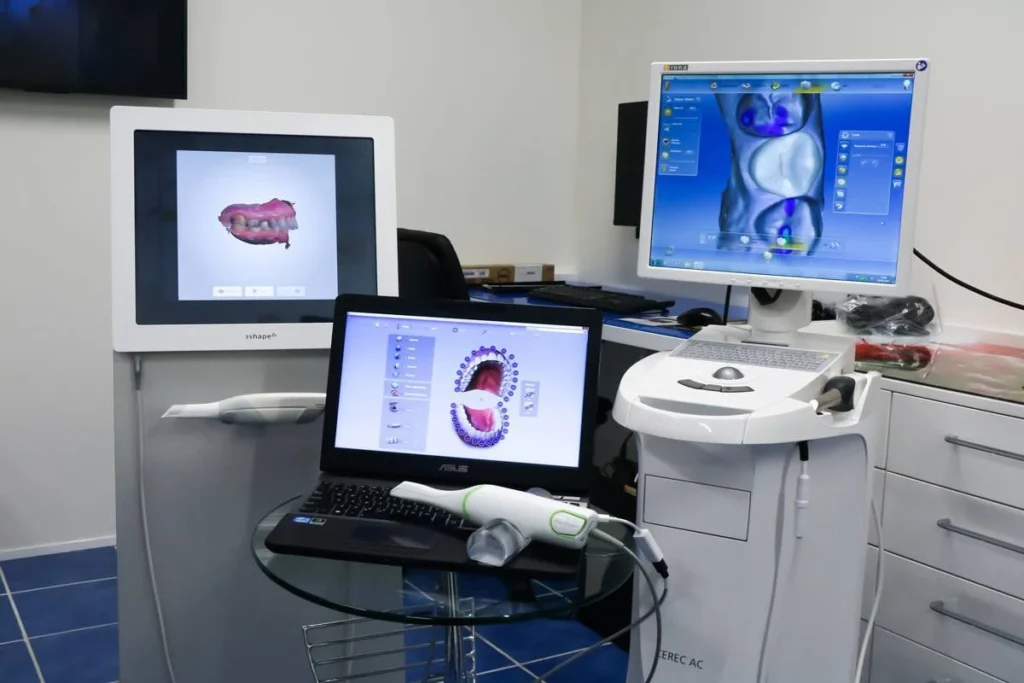
CAD/CAM (Computer-Aided Design and Computer-Aided Manufacturing) technology allows dentists to design and create dental restorations with exceptional precision. Using digital scans, restorations like crowns, veneers, and bridges are designed on a computer and then manufactured using advanced milling machines. This process ensures a perfect fit and natural appearance. One of the biggest advantages is that many restorations can be completed in a single visit, saving time for patients. It also reduces the chances of errors compared to traditional methods. CAD/CAM enhances both efficiency and quality in modern dental treatments.
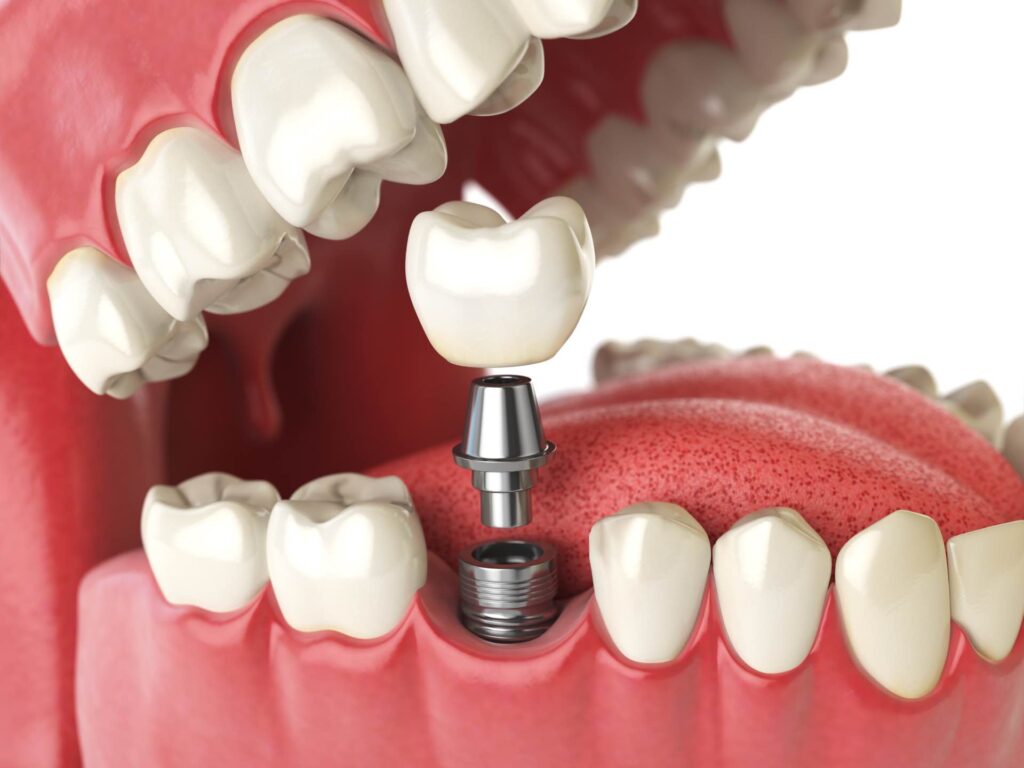
Same-day dental implant technology allows patients to receive dental implants and temporary teeth in a single visit. Using advanced planning software and guided surgical techniques, implants are placed with high precision and minimal discomfort. This eliminates the need to wait months for tooth replacement, restoring both function and aesthetics immediately. It is especially beneficial for patients who want quick results without multiple appointments. The procedure is safe, efficient, and designed to ensure long-term success. Overall, it offers a fast and convenient solution for missing teeth with natural-looking results.

Healthy teeth are essential for a confident smile and overall well-being. Regular dental care helps prevent cavities, gum problems, and other oral health issues.